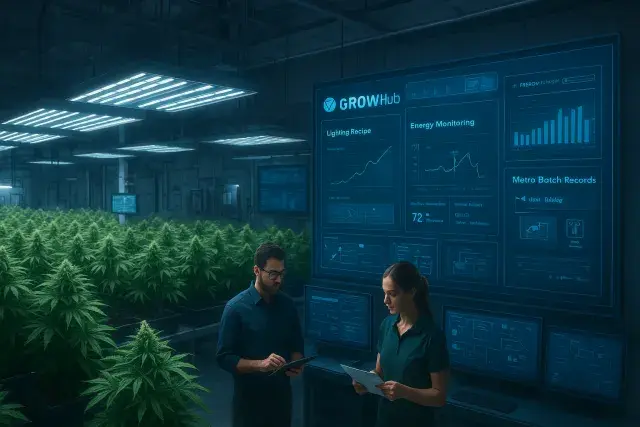
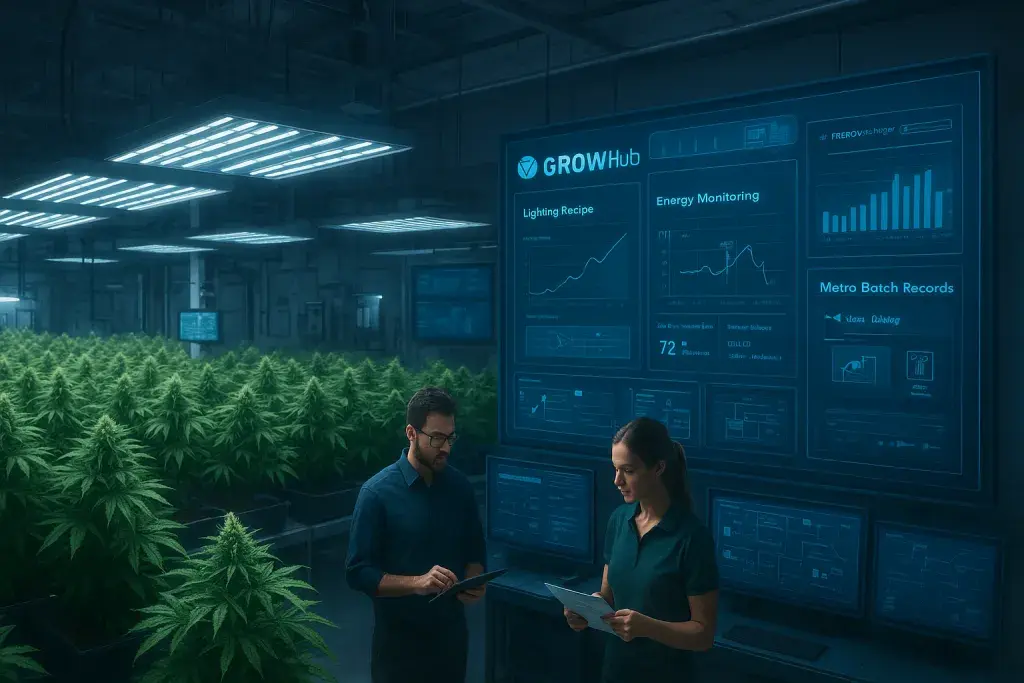
TSRgrow has rolled out a substantial update to GROWHub, its cultivation software platform, adding analytics, energy monitoring, batch-record tools, Metrc integration and Building Management System connectivity for commercial growers. The move signals something bigger than a feature update - it reflects a shift in how cultivation operators are expected to manage data across the entire crop cycle, not just lighting and climate control.
For multi-state operators running cultivation facilities alongside retail storefronts, the pressure to connect grow-side data with compliance and sales systems has been building for years. Track-and-trace requirements already force operators to document every gram from clone to sale, and regulators have shown little patience for gaps in that chain. The same operational logic that pushes dispensaries toward a proper dispensary management system massachusetts retailers can rely on for inventory and compliance now applies upstream, at the cultivation level, where batch records and environmental data have historically lived in disconnected spreadsheets and standalone controllers.
Why Cultivation Data Has Been Stuck in Silos
Here's the catch with commercial cultivation: lighting systems, HVAC controls, nutrient dosing and compliance tracking have traditionally been built by different vendors, each with its own interface and its own data format. A cultivation team might run one platform for LED scheduling, another for environmental monitoring, and a third - often a plain spreadsheet - for batch documentation tied to Metrc reporting. That fragmentation isn't just inconvenient. It creates real audit risk. When state inspectors or internal quality teams ask for a full record of how a batch was grown, stitching that story together from three or four systems takes time operators don't have, especially during harvest weeks when labor and facility resources are already stretched thin.
GROWHub's expansion targets that exact problem by tying lighting recipes, energy consumption, environmental conditions and Metrc-linked batch records into one connected system. Cultivators can now build lighting profiles by room, zone or cultivar, track how those choices affected yield and consistency across cycles, and hold onto a documented history instead of relying on institutional memory or whoever happened to be on shift that week.
Compliance Readiness Ahead of Regulatory Change
The timing here isn't incidental. As federal rescheduling discussions continue and states tighten reporting expectations, operators who can produce clean, traceable production records will be in a stronger position than those still reconciling data by hand. Compliance software vendors across the industry - from seed-to-sale platforms to point-of-sale systems - have been moving in the same direction: fewer standalone tools, more connected records that hold up under audit.
That doesn't mean automation solves compliance on its own. Software can organize data, but operators still carry responsibility for accuracy, for training staff on proper input, and for catching discrepancies before they become findings during an inspection. What GROWHub and comparable platforms offer is a stronger paper trail - not a substitute for diligence.
Energy and Facility Data as a Business Lever
Energy monitoring deserves particular attention. Indoor cultivation is power-intensive, and lighting typically represents one of the largest line items in a facility's utility bill. By pairing energy data with cultivation and environmental information, operators get a clearer picture of which lighting strategies actually pay off in yield and quality, and which ones just run up costs. Combined with BMS connectivity, that visibility extends beyond the grow room into broader facility performance - a detail that matters more as energy prices and utility scrutiny of cannabis operations both continue to climb.