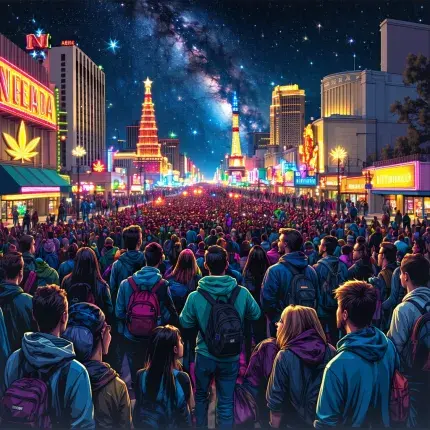
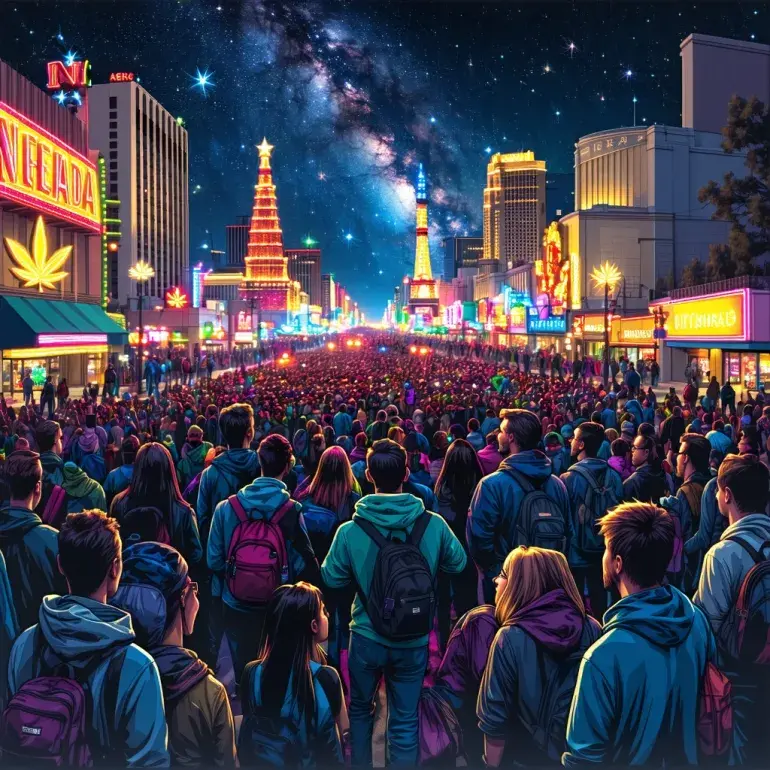
On July 1, thousands of eager buyers flooded more than two dozen dispensaries in Reno and Las Vegas, marking Nevada's entry as the fifth U.S. state to legalize recreational marijuana sales. This historic launch signals a cultural pivot, blending the state's indulgence economy with cannabis normalization and promising significant tax revenue.
The Electric Opening Day Rush
Cheers erupted at midnight as doors swung open, with lines snaking around blocks in both cities. In Reno, Todd Weatherhead waited over three hours to become the first customer at The Dispensary, hailing it as a victory over past persecution. Las Vegas added flair, featuring fireworks, celebrities, and even state Sen. Tick Segerblom at Reef dispensary, sampling his namesake strain.
- Crowds mixed tourists, veterans, housewives, and locals, evoking "Christmas in July."
- Popular products included Purple Monkey flower, Blueberry Cookies, and edibles like gums and oils.
- Dispensaries like Blüm and MYNT reported nonstop lines, processing one customer per minute amid honking horns.
Accelerated Rollout and Strict Regulations
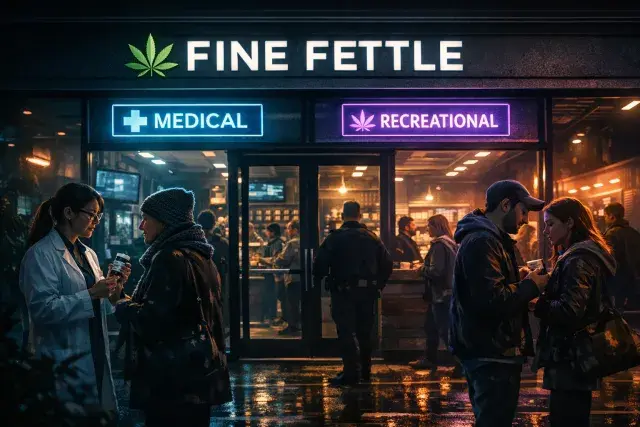
Originally slated for 2018, sales launched early after lawmakers eyed $3 million in extra taxes. Gov. Brian Sandoval's emergency order allowed medical dispensaries to pivot, with staff relabeling products overnight. Nevada permits dual medical-recreational sales, enforcing child-proof packaging with strain details and origins.
- Recreational limits: 1 ounce flower, 10mg THC per edible serving (100mg max package).
- Medical patients buy more; tourists dodge the 10% excise tax.
- Regulators expect 60% of sales from 50 million annual visitors to Las Vegas and Reno.
This framework balances access with safety, drawing from Colorado and Washington's models where regulated markets curbed black-market risks.
Cultural Shift and Economic Horizons
Nevada's move amplifies its vice-tourism allure, predating California's rollout by six months and attracting cross-border enthusiasts like California visitor Django Broomfield. Veterans like Mike Stephenson celebrate relief from chronic pain without shady dealings, underscoring cannabis's growing acceptance for wellness amid evolving public health views.
Implications ripple wide: boosted local economies via taxes, reduced underground trade, and normalized use—though brothels ban it. As more states follow, expect tourism spikes and data-driven refinements, fostering safer consumption while challenging federal tensions.