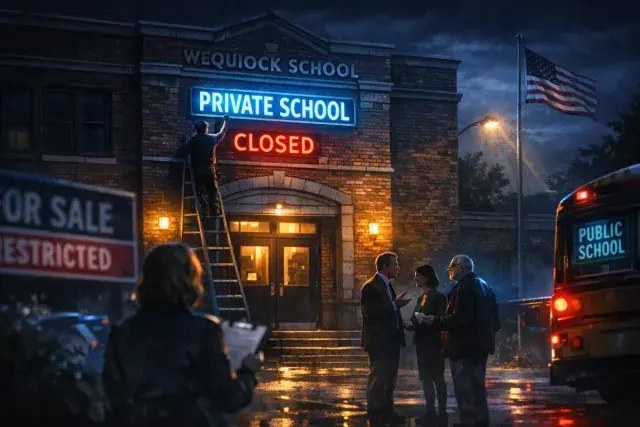
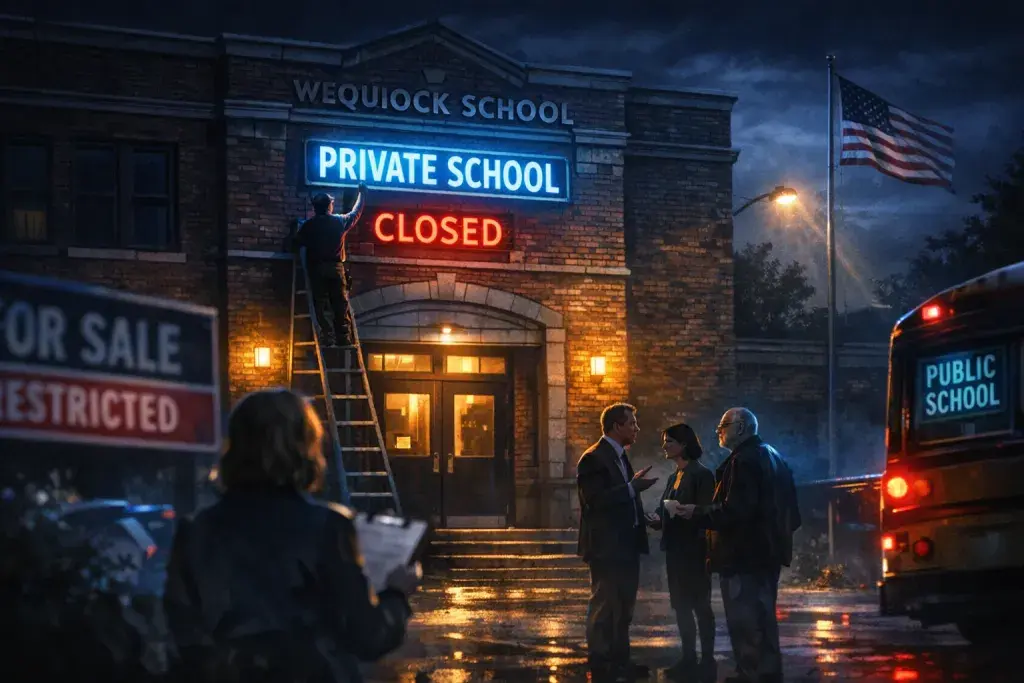
In a narrow decision, the Green Bay School Board has permitted the former Wequiock Elementary building to serve private school students indefinitely. The vote resolves a contentious issue over the site's future in the Town of Scott, at 3994 Wequiock Road. This outcome overrides a key restriction from the property's recent sale, highlighting tensions between local agreements and public oversight.
Property Sale Sparks Restrictions and Debate
David Charles, president and owner of Cash Depot Ltd., purchased the Wequiock Elementary building in June 2025 for $500,000. The sale agreement explicitly barred its use as a school, aiming to prevent competition with nearby public institutions or address community concerns about repurposing public assets. Such clauses often emerge in transactions involving former public school properties, where districts seek to protect enrollment and funding stability amid declining student populations in rural areas.
Board's Close Vote Signals Policy Crossroads
The board's decision followed intense discussion, reflecting broader challenges in managing surplus school facilities. Public school districts nationwide face similar dilemmas as enrollment shifts due to demographic changes and suburban growth patterns. Approving private school occupancy allows the building to remain active, potentially preserving local infrastructure while generating economic activity through occupancy fees or leases, though it risks straining public resources if maintenance disputes arise.
Implications for Education and Community Resources
This ruling sets a precedent for how Green Bay balances private enterprise with public interests. Private schools can now expand access in the region, addressing parental demand for alternative education options without taxpayer-funded construction. Yet, it raises questions about enforcement of sale conditions and long-term oversight, as communities grapple with converting public buildings amid fiscal pressures and evolving family preferences.