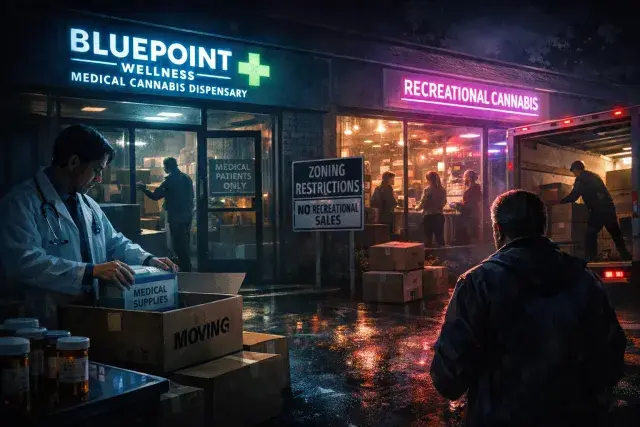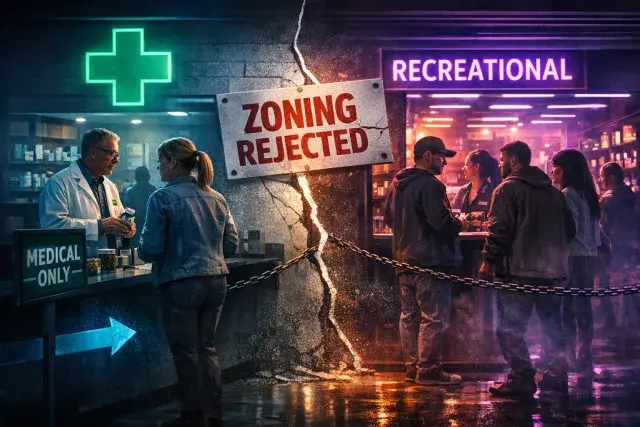
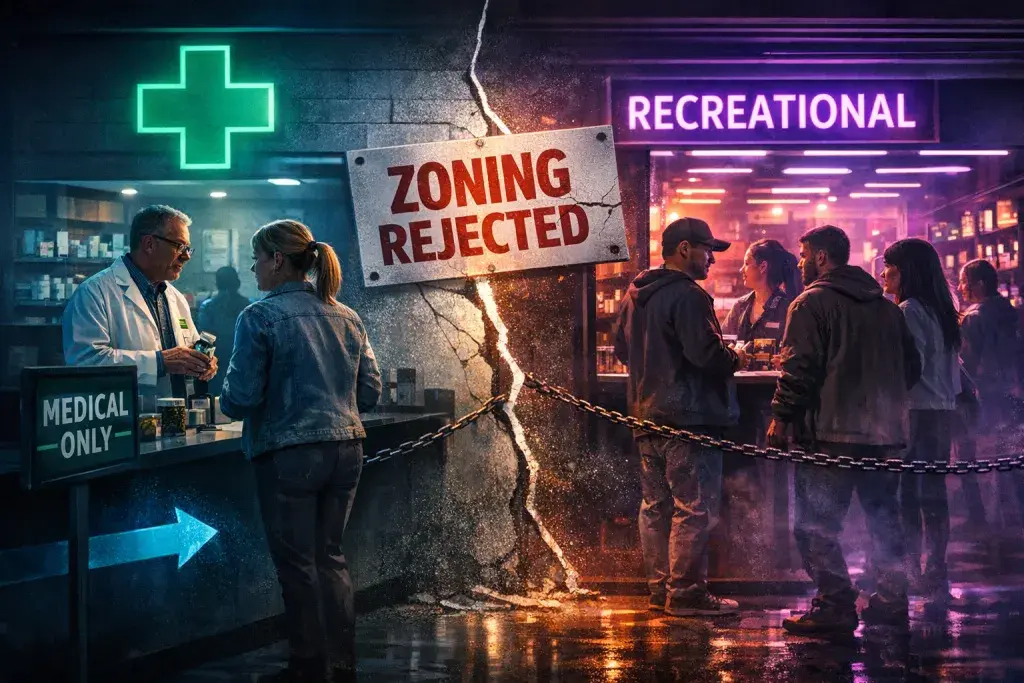
Connecticut's sole remaining medical-only cannabis dispensary, Bluepoint Wellness, plans to relocate within Westport after repeated rejections of its recreational sales bid. This move signals the potential end of dedicated medical marijuana outlets in the state, as operators pivot to hybrid models blending medical and adult-use sales. Unless local zoning changes, the shift could leave no purely medical dispensaries statewide.
Zoning Barriers Block Westport Expansion
Westport's Planning and Zoning Commission has denied Bluepoint's requests multiple times since adult-use cannabis legalized in 2021. The town amended its zoning code that year to ban recreational businesses, pointing to traffic concerns. Bluepoint, which opened in late 2019, remains restricted to medical sales, unlike most others in the state.
Co-founder Nick Tamborrino highlighted the frustration in 2023 testimony, noting daily turnaways of local residents seeking recreational products. To adapt, Bluepoint launched Venu Flower Collective, a recreational store 50 miles away in Middletown. The Westport medical operation now relocates within town for 18 to 24 months before shifting to an unnamed community for hybrid operations.
Medical Patient Decline Fuels Market Pressure
Recreational sales launched in 2023, slashing medical cannabis patients from nearly 49,000 to under 32,000. Annual medical sales fell $21 million in 2025, with transactions dropping from 2.6 million in 2024 to 2.2 million. Of Connecticut's 61 licensed stores, 29 now sell both medical and recreational products.
Ben Zachs, chief operating officer of Fine Fettle—which runs nine hybrid shops—said medical-only viability fades. State cannabis ombudsman Erin Gorman Kirk cited high prices, inconsistent quality, and limited variety versus neighbors like Massachusetts and Rhode Island as drivers of the downturn.
Implications for Access and State Policy
This transition underscores recreational dominance four years post-legalization, pressuring medical-focused providers to evolve. Hybrid models promise broader access but risk sidelining patients needing specialized medical products or those deterred by recreational settings. Policymakers face choices on preserving medical infrastructure amid zoning battles and market forces reshaping the industry.