
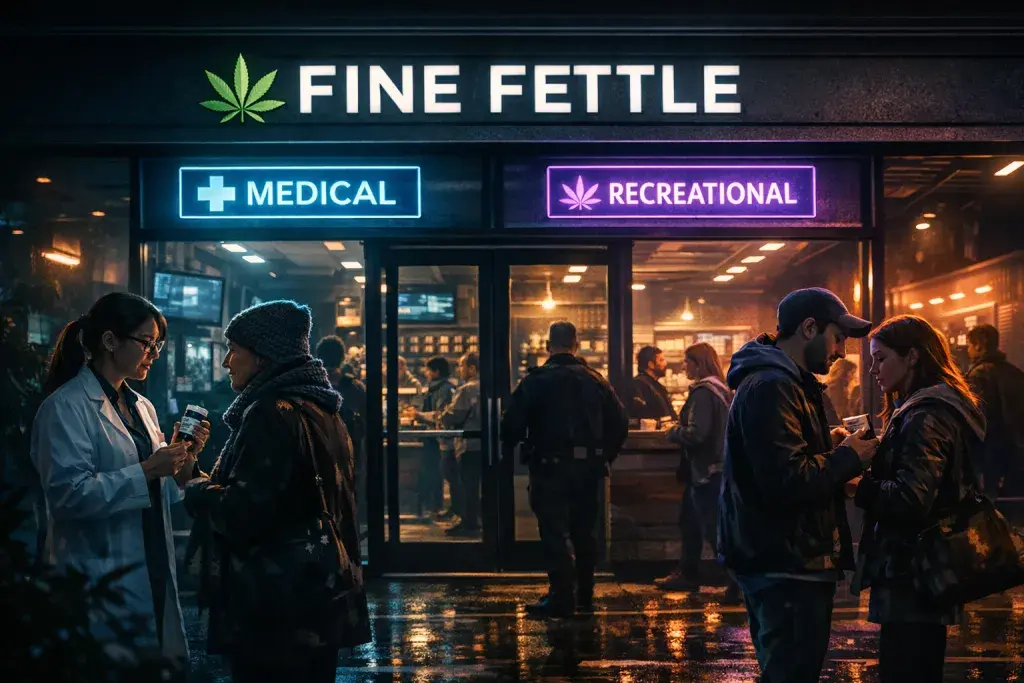
All nine Fine Fettle cannabis dispensaries in Connecticut shift to hybrid operations Thursday, January 15, welcoming both medical patients and adult-use buyers under one roof. This move stems from fresh state regulations permitting recreational retailers to join the medical marijuana program. For patients, it promises easier access; for operators, streamlined efficiency—no small feat in a market still finding its footing.
Regulatory Green Light Reshapes Dispensary Landscape
Connecticut's cannabis scene has evolved swiftly since recreational sales launched in 2021, but medical patients—registered through the state's program—faced fragmented options. New rules from the Department of Consumer Protection and supportive legislation now let hybrid setups bridge that gap. Fine Fettle, with outlets in Manchester, Norwalk, Old Saybrook, Waterbury, and West Hartford, seizes the chance to serve both camps without splitting hairs.
Under the hood, these conversions preserve medical hallmarks: licensed pharmacists offer remote or in-person consultations, a staple of the program since its 2012 inception. Benjamin Zachs, the company's COO, frames it plainly: this bolsters "accessible, compassionate care" in underserved spots. Patients won't trek across counties; recreational users get the same door. Fair enough—the state's medical framework stays intact, even as adult-use booms.
Equity and Efficiency in One Package
"Efficiency and equity," Zachs says—that's the pitch. In practice, though, it addresses a real pinch: medical patients often grapple with limited nearby choices, while recreational shops multiply. Hybrids cut travel burdens and operational silos, letting one storefront handle volume from both. No one was clamoring for this overhaul per se, yet it fits a broader push to fortify Connecticut's medical tier amid recreational growth.
Downstream, expect ripple effects on access. Regions like Waterbury or Old Saybrook gain dedicated medical support without new builds. Fine Fettle credits lawmakers and regulators for the nudge; the conversions, rolled out statewide, test how hybrids balance compassion with commerce.
Steadying the Medical Program's Core
Connecticut's medical cannabis program, born from voter-backed medical reforms, has weathered recreational legalization's rise. Hybrids like these—now Fine Fettle's full fleet—aim to fortify it, not dilute. Zachs underscores the mission: strengthen patient options while serving adults responsibly. What's striking? This model could draw imitators, easing strains on pure medical sites and smoothing statewide distribution.
Risks linger, of course—crowded lines, say, or diluted focus—but early signs point to operational wins. For now, Thursday marks a quiet pivot: more doors open, fewer barriers for those who need them.