
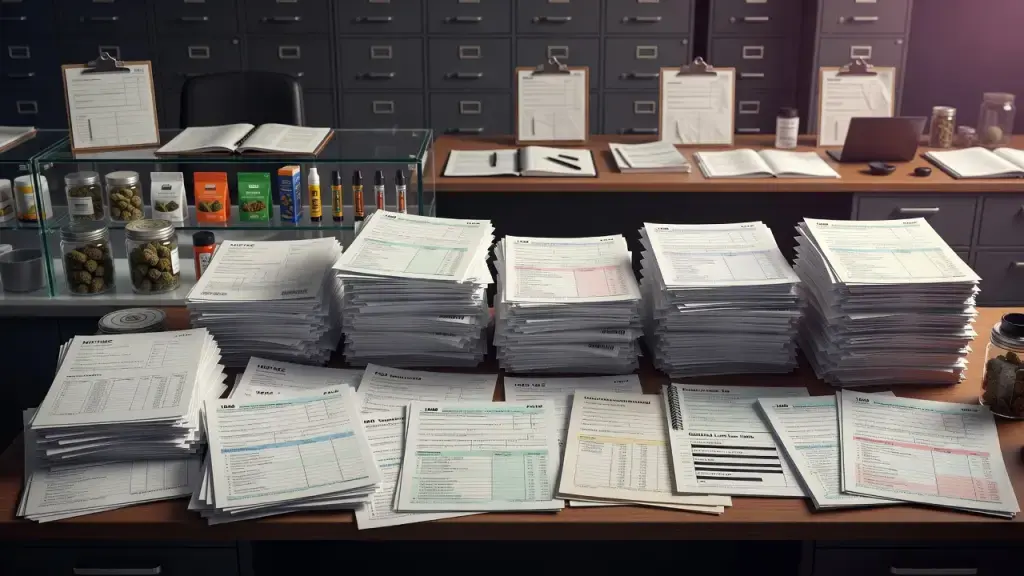
Cannabis retail finance has always carried a built-in complication: Section 280E. Licensed operators can't deduct ordinary business expenses the way a convenience store or a liquor retailer can, because cannabis remains a Schedule I substance under federal law. That reality makes every shift in the broader federal tax code land differently on a dispensary's books than it does on most other small businesses. The One Big Beautiful Bill Act's 2026 provisions are a case in point - and operators, bookkeepers, and multi-state finance teams should be parsing which pieces actually touch a cannabis balance sheet versus which ones apply mainly to individual filers.
Why 280E Still Overrides Most of the Good News
Here's the catch for cannabis operators specifically: many of the new individual tax breaks described for the 2026 filing year - the expanded Child and Dependent Care Credit, the bump in educator expense deductions, the new charitable contribution allowances for non-itemizers - apply to personal returns, not to the trade or business of selling cannabis itself. A dispensary owner files as an individual too, of course, and may personally benefit from these changes on a 1040. But the business entity remains boxed in by 280E, which disallows deductions for ordinary and necessary expenses tied directly to cannabis sales. Payroll for budtenders, rent on retail floor space, marketing - none of that gets relief just because the broader tax code loosened in other areas. Cost of goods sold remains the primary lever cannabis retailers have, and that mechanism didn't change with this bill.
Where the New Rules Do Touch Cannabis Payroll and Vendors
The 1099-NEC threshold increase, from $600 to $2,000, matters more to cannabis supply chains than it might first appear. Dispensaries and cultivators routinely pay contractors - security consultants, compliance auditors, delivery drivers classified as independent contractors, trimmers brought on seasonally. Under the new threshold, fewer of those payments will trigger an automatic 1099-NEC from the paying business. That doesn't erase the income tax obligation for the contractor, and it shouldn't change how a compliant cannabis business tracks payments internally. If anything, operators should tighten their own accounts-payable records rather than relying on the form threshold as a cue for what counts as reportable. Auditors and state regulators reviewing a licensee's books won't accept "no 1099 was issued" as a reason income went untracked.
Gambling Loss Limits and the Broader Lesson on Record-Keeping
The change capping deductible wagering losses at 90% of eligible losses, and no more than winnings, isn't a cannabis-specific provision. But it's a useful reminder for an industry that already lives under heavy scrutiny around cash handling, inventory shrinkage, and seed-to-sale tracking through systems like METRC. The pattern across these 2026 changes is the same: the IRS and Treasury are tightening the gap between what taxpayers claim and what they can actually document. Dispensary operators who treat compliance logs, POS reconciliation, and wholesale invoicing as a box-checking exercise rather than a daily discipline are the ones most exposed when any tax rule - federal or state - gets revised.
What Operators Should Actually Do Before Filing Season
- Separate personal tax planning from business tax strategy - an owner's personal refund outlook under OBBBA says nothing about what the licensed entity owes under 280E.
- Review contractor payment records independently of 1099 thresholds; compliant businesses track all compensation regardless of reporting triggers.
- Confirm which federal changes a given state has adopted, since state cannabis tax regimes - excise tax, local cultivation tax, retail tax - often diverge sharply from federal treatment.
- Work with a tax professional who understands both 280E mechanics and the current federal individual tax rules, since the two rarely intersect cleanly.
The practical takeaway for licensed retailers is restraint rather than celebration. Some of these provisions will help operators personally. Few will move the needle on a dispensary's effective tax rate, which remains shaped far more by state licensing costs, 280E, and local excise structures than by federal individual tax relief. Treating the two as separate ledgers, literally and strategically, remains the safest posture heading into the 2027 filing season.