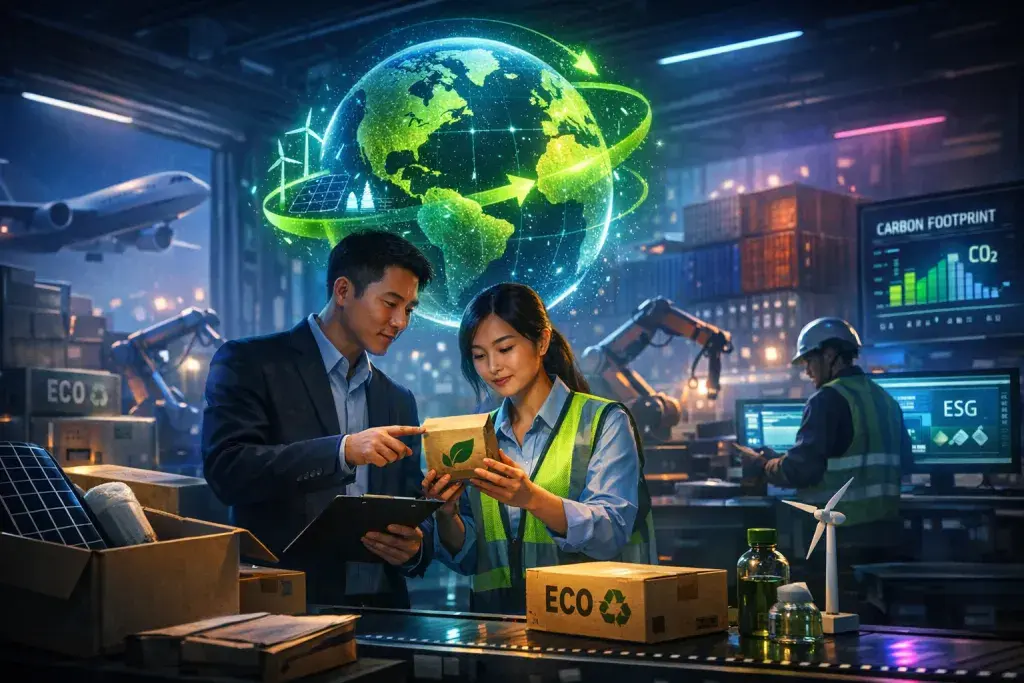
Cross-border e-commerce platforms propel companies to invest in green innovation amid rising global environmental regulations. China's CBEC market has expanded sharply, with transaction volume climbing from 1.06 trillion yuan in 2018 to 2.63 trillion yuan in 2024, and B2B deals comprising over 70% of activity. This growth positions CBEC as a force for sustainable trade, pressuring firms to cut carbon footprints while unlocking new market advantages.
Regulatory Pressures Reshape Export Strategies
Exporters face mounting demands from frameworks like the EU's Carbon Border Adjustment Mechanism and New Battery Law, which enforce carbon pricing and emission disclosures. These rules compel CBEC firms to overhaul production for lower emissions, especially as platforms demand ESG certifications and supply chain transparency. While small and medium-sized enterprises grapple with higher short-term costs, larger players gain from brand differentiation and access to premium global chains.
Competition and Learning Fuel Technological Upgrades
CBEC exposes firms to international rivals, sparking an export competition effect that boosts green R&D for quality edges. Enterprises sharpen dynamic capabilities to meet host-country protections and consumer preferences for eco-friendly goods. Simultaneously, export learning effects deliver knowledge gains: interactions with foreign buyers reveal strict environmental standards, while platform collaborations enable technology spillovers from advanced clean production methods.
Financial Relief Enables Sustainability Investments
CBEC eases financial constraints that often stifle green innovation, which demands heavy upfront capital for uncertain returns. Export scale expands profitability through economies of scale, cutting per-unit costs and funding R&D. Digital platforms also streamline information disclosure, improving external financing access and allowing firms to import green intermediate goods for re-innovation.
Heterogeneous Impacts Across Firm Types
CBEC's green innovation boost varies: high-tech and polluting industries, western-region firms, and state-owned enterprises see stronger effects. Platforms like Amazon's Climate Pledge Friendly and OTTO's green product preferences reward certified sellers with traffic gains. Chinese giants such as China Duty-Free Group adopt biodegradable packaging and sustainability campaigns, yet SMEs lag due to resource limits and standard variations, underscoring needs for targeted policy support.