In Marquette, Michigan, Citizens for a Safe & Clean Lake Superior is scaling up its vape recycling program, building on a successful pilot that collected over 4,000 disposable e-cigarettes in one year. Launched fully on December 1, this initiative tackles the growing threat of e-cigarette waste polluting soil, groundwater, and surface waters, safeguarding Lake Superior and public health.
From Pilot Success to Widespread Collection
The program began with a single drop-off at Kenny’s Corner Store in downtown Marquette, amassing 4,000 used vapes in its first year. Now, collection bins are available at Circle K stores along U.S. 41 in Harvey, Marquette, Negaunee, and Ishpeming, making it easier for residents to recycle empty nicotine vapes responsibly.
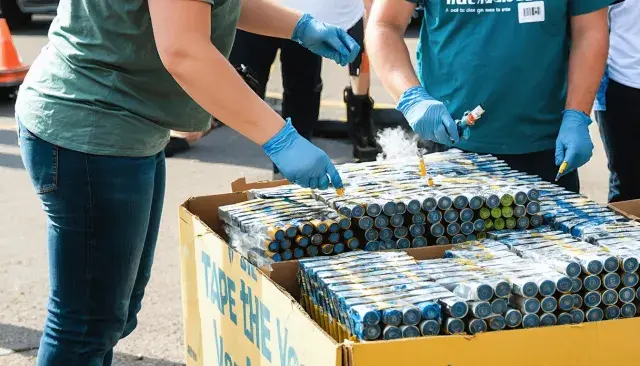
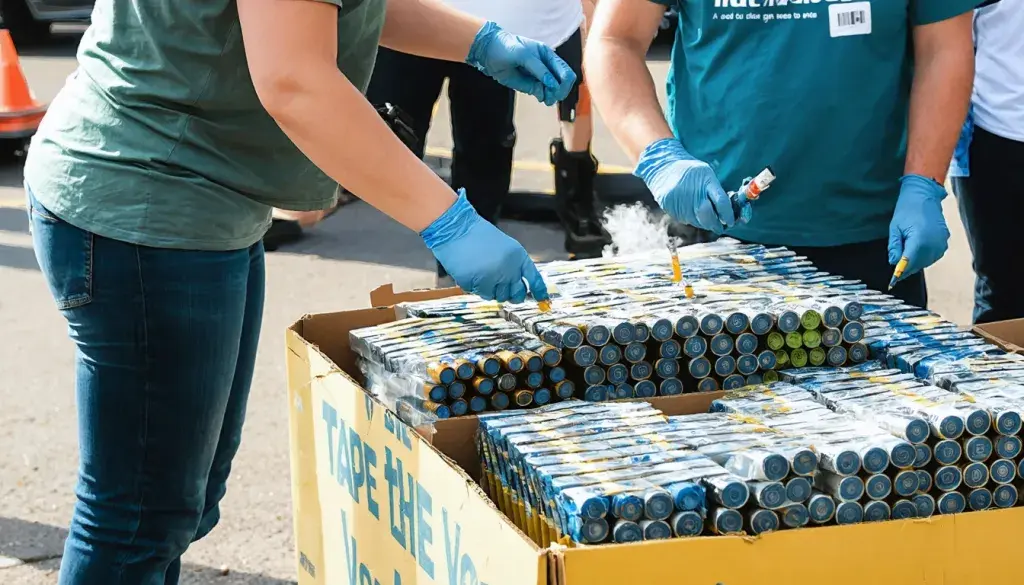
- Volunteers consolidate vapes at bimonthly “Tape the Vapes” events.
- Waste is processed by Recycle 906 and shipped to specialized battery recycling centers.
- Currently limited to nicotine vapes; cannabis vapes planned for separate sites soon.
Hazards of Discarded Disposable Vapes
Disposable e-cigarettes pose severe risks when littered or landfilled. Director Jane Fitkin highlights their lithium batteries, which leach heavy metals like cobalt and nickel into soil and water, and spark fires in trash facilities. Leftover nicotine liquid, a potent neurotoxin, contaminates ecosystems, harming wildlife and entering the food chain.
Expert insight reveals these devices contribute to the global e-waste crisis, where vaping surged 400% among U.S. youth from 2019-2023 per CDC data, amplifying single-use battery pollution akin to smartphone waste but more insidious due to nicotine volatility.
Broader Implications and Future Outlook
This effort connects to rising societal concerns over vape proliferation and micro-pollution trends. By preventing leachate into Lake Superior—a vital freshwater resource—this program mitigates long-term biodiversity loss and human exposure risks, including developmental harm from chronic low-level nicotine.
Partnerships, like with The Fire Station Cannabis Company, signal expansion to cannabis vapes despite regulatory hurdles. As vaping waste volumes climb with disposable trends, such localized recycling models offer scalable solutions, urging policy shifts toward producer responsibility and extended producer responsibility laws.