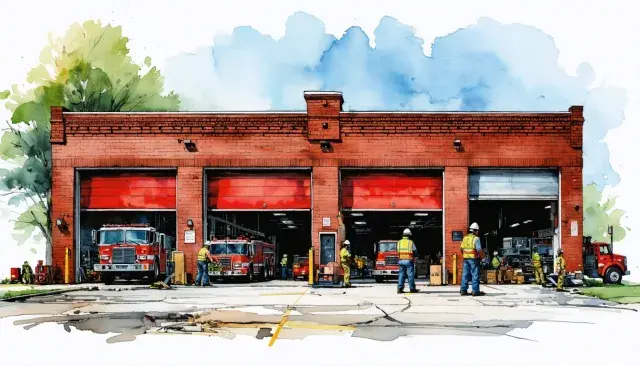
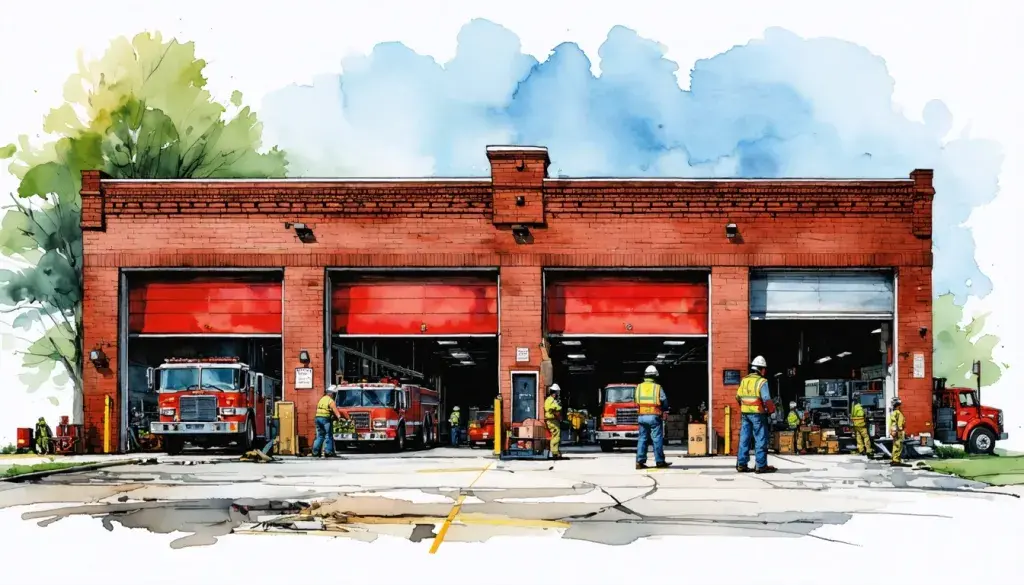
The Village of Pinckney Planning Commission voted on July 7 to recommend approval of a special land use permit for QPS Michigan Holdings LLC to convert the former Putnam Township Fire Station at 1066 E. M-36 into an adult-use marijuana retailer. This revival of familiar plans underscores how cannabis businesses are driving efforts to revitalize empty commercial spaces in small Michigan communities, potentially boosting local economies while reigniting community debates.
Recent Progress and Next Steps
QPS, part of Ann Arbor-based C3 Industries operating over 30 stores across six states, proposes interior renovations, removal of a lean-to carport, and the eastern driveway. Village President Jeff Buerman confirmed the proposal heads to Village Council on July 14 for final review, with conditions attached by planners.
- Site: 1066 E. M-36, former fire station.
- Applicant: QPS Michigan Holdings LLC (C3 Industries).
- Timeline: Planning approval July 7; Council review July 14.
Twisted Path of Licensing and Prior Bids
QPS first eyed the site in 2021 but lost the village's sole adult-use retailer license to The Means Project, which planned a store in the former Pinckney Elementary School at 935 W. Main St. That project, licensed in 2021 with 2024 extensions, remains stalled—construction paused, building listed for $2.95 million. On April 7, planners recommended revoking its permits. If Council declines renewal in August, QPS could pursue the license after a 30-day advertisement period.
Pinckney currently has no available licenses, with The Means Project holding the only active one. A second "microbusiness" called Essence is in pre-construction at 1268 E. M-36, between Wendy's and Taco Bell, holding separate permits.
Community Divide and Economic Revitalization Trends
July 7 public comments revealed splits: some residents oppose marijuana retailers over safety fears and market saturation, while others, like Mike Szafranski, prioritize filling vacant buildings to "spruce up this village." Planners like Chair Bree Kraut and Vice Chair Alex Smith stressed focusing on land use merits, setting aside personal views.
This mirrors broader Michigan trends post-2018 adult-use legalization, where cannabis retail fills blighted properties, generates tax revenue, and creates jobs—often 10-20 per store—but sparks concerns in rural areas about youth access and normalization. Small towns like Pinckney balance these: economic infusions from $3 billion+ statewide sales in 2023 versus perceived social risks, with oversupply leading to license consolidations.
If approved, QPS could transform another eyesore, signaling how cannabis capital is reshaping village cores amid sluggish traditional retail recovery.