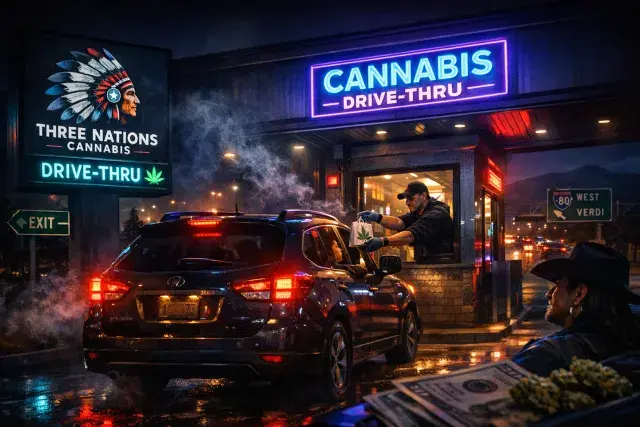
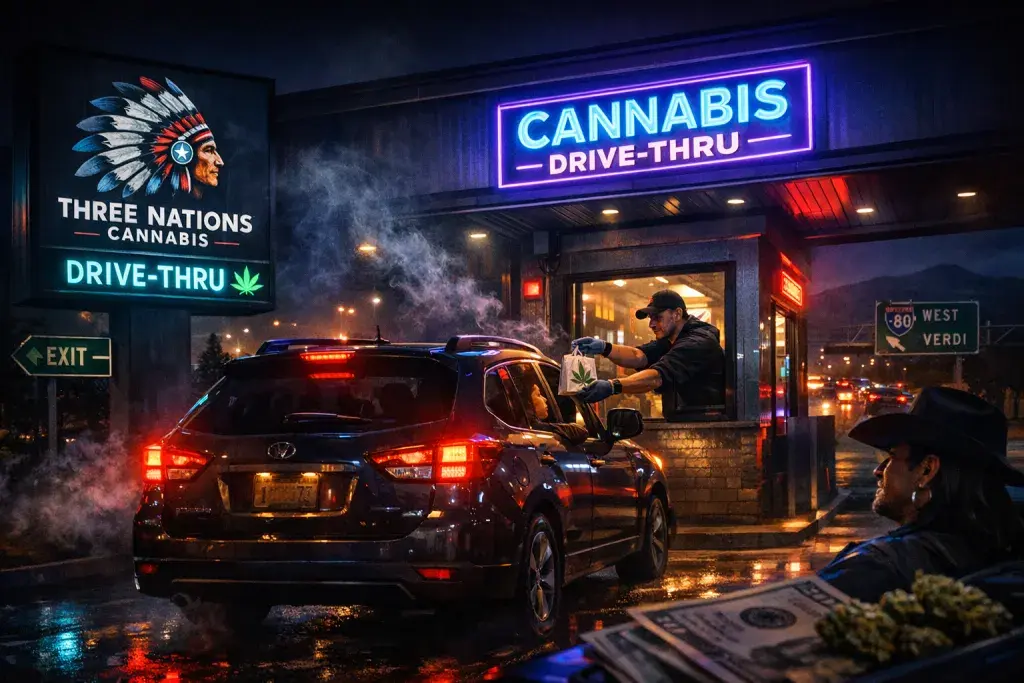
The Reno-Sparks Indian Colony revealed plans Friday to open two drive-through cannabis dispensaries on tribal land in south Reno and Verdi, marking a significant expansion of retail cannabis access in the region. These full-service outlets, operated by the tribe-owned Three Nations Cannabis, promise convenience for customers while advancing the colony's economic goals. Both sites are slated to debut in January, adhering to a 2020 cannabis agreement with Nevada.
Tribal Sovereignty Drives Expansion
Tribal lands operate outside state jurisdiction for certain commercial activities, allowing the Reno-Sparks Indian Colony to establish cannabis businesses unbound by Nevada's broader retail restrictions. The south Reno dispensary at 11570 S. Virginia St., a former Infiniti dealership, spans 12,200 square feet and holds the title of Reno's largest such facility. The Verdi location at 420 Highway 40 West sits directly off Interstate 80, positioning both for high traffic from commuters and travelers. This setup reflects how sovereign nations leverage federal Indian law to enter markets where states impose limits on formats like drive-throughs.
Economic Boost for Community Priorities
RSIC Chairman Arlan Melendez described the venture as central to economic diversification, creating well-paying jobs for tribal members and others. Revenue will fund elder care, education, health services, housing, infrastructure, language preservation, cultural programs, and youth initiatives. Such tribal cannabis operations have become a fixture since the 2018 federal Farm Bill clarified hemp distinctions and states legalized recreational use, enabling tribes to generate income independently. The colony's adherence to the January 29, 2020, Cannabis Agreement ensures compliance with state quality and testing standards, balancing sovereignty with regulatory alignment.
Shifting Landscape of Cannabis Retail
Drive-through dispensaries cater to demand for quick, contactless service, a model that gained traction during the pandemic and persists amid evolving consumer habits. While Nevada legalized recreational cannabis in 2017, tribal enterprises like Three Nations Cannabis add layers to the supply chain, often emphasizing local ownership over corporate chains. These openings could intensify competition in Reno's saturated market, potentially lowering prices or spurring innovations in customer experience. For the Reno-Sparks Indian Colony, serving over 10,000 members across urban Nevada, the project underscores cannabis's role in self-determination and community reinvestment.