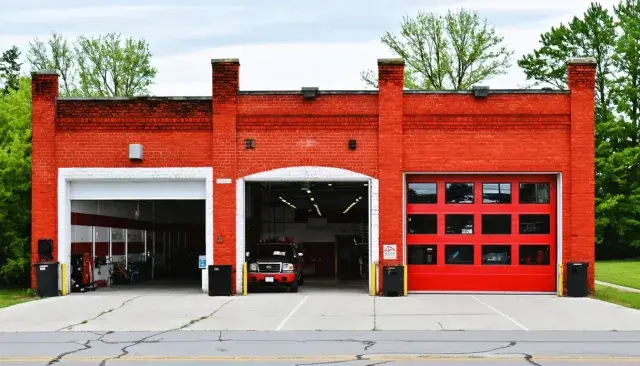
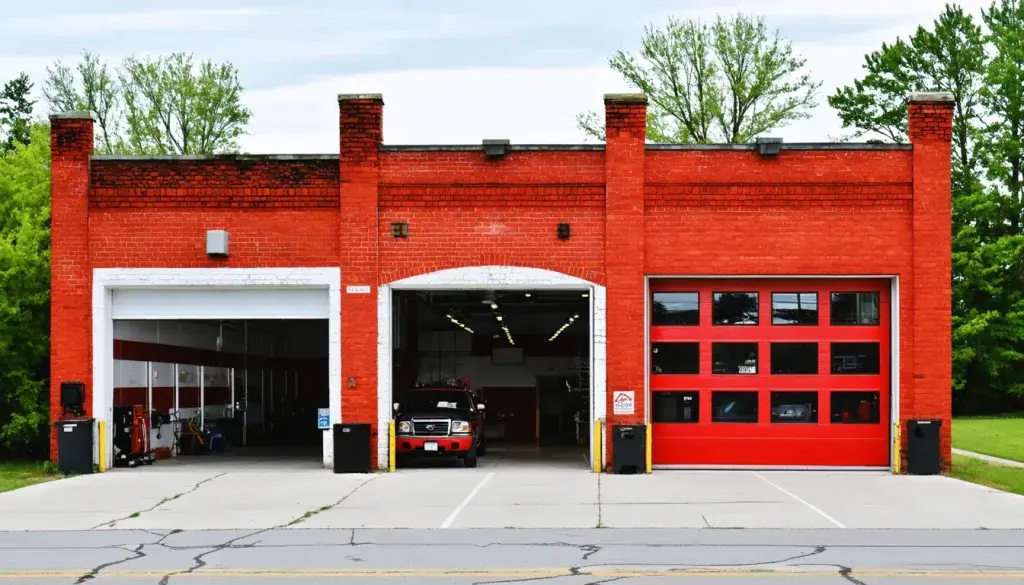
On Monday night, the Village of Pinckney Council greenlit a special land use request, transforming the long-vacant old fire station at 1066 East Main Street into the area's pioneering marijuana retailer. This move signals a fresh chapter for local economic revitalization amid Michigan's expanding cannabis market, breathing new life into a blighted property while navigating regulatory hurdles.
Project Details and Approval Process
The applicant, QPS Michigan Holdings LLC—operating as C3 Provisioning—secured approval after the Planning Commission recommended it with conditions. The site, in the Secondary Business District, will retain its original footprint with cosmetic upgrades, added rear parking, and enhanced stormwater management aligned with the Village Master Plan.
- Represented by local advocate Bob Phillips, the Ann Arbor-based firm boasts 10 Michigan stores and 31 across six states.
- Conditions include updated state prequalification docs and green infrastructure innovations.
- No building expansion planned, focusing on retail conversion without altering the structure's scale.
Company Profile and Local Fit
With six years in operation, QPS positions itself as a professional player in the cannabis sector, expanding into a seventh state soon. Phillips emphasized their compliance track record, submitting applications since 2021 with minor updates. Village President Jeff Buerman praised the rehab as guideline-compliant, noting its potential to repurpose a dormant asset effectively. No council opposition emerged, only queries on existing Michigan sites like Ironwood, Grand Rapids, and Kalamazoo.
Context Amid Pinckney's Cannabis Landscape
This approval comes as the village reviews The Means' stalled provisioning center license at the former Pinckney Elementary School—once eyed as Livingston County's first but derailed by setbacks. Council will deliberate its renewal in late August, following the Commission's revocation recommendation. Michigan's adult-use market, legalized in 2018, has surged with over 700 retailers statewide by 2023, driving $3 billion in sales and creating 40,000 jobs. Pinckney's step reflects broader trends where communities leverage cannabis for tax revenue—up to 16% in some locales—and vacant building reuse, countering urban decay.
Implications for Community and Economy
While licenses remain scarce village-wide, this retailer could pioneer regulated access, fostering competition and tourism draw in rural Livingston County. Benefits include job creation, property value uplift, and sustainable development via eco-friendly stormwater tech. Risks involve oversaturation or stigma, but structured oversight mitigates them. As cannabis normalizes—mirroring alcohol's post-Prohibition path—Pinckney exemplifies adaptive governance, balancing growth with green goals for long-term vitality.